
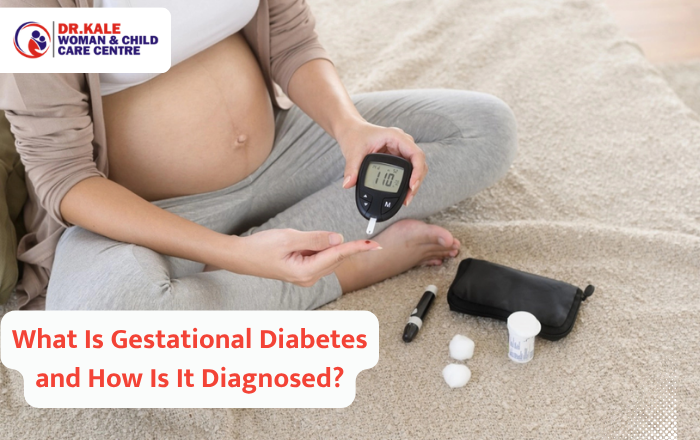
Being asked to take a “sugar test” in pregnancy can feel worrying. In India, it is a routine part of antenatal care and is advised for every pregnant woman, not only those who feel unwell.
The test checks for gestational diabetes, a type of high blood sugar that appears during pregnancy. Here is what it means, who is more likely to get it, how it is diagnosed and what happens next.
What Is Gestational Diabetes?
Gestational diabetes is high blood sugar that develops during pregnancy in a woman who did not have diabetes before. It usually goes away after delivery, but it needs proper care while you are pregnant.
During pregnancy, the placenta makes hormones that make it harder for insulin to work. Insulin is the hormone that moves sugar from your blood into your cells for energy.
Most women’s bodies make extra insulin to keep up. When the body cannot, sugar builds up in the blood, usually in the second half of pregnancy.
It is different from type 1 or type 2 diabetes, which are long term conditions.
Does It Cause Symptoms?
Most women have no clear symptoms. That is why doctors test for it routinely.
When sugar levels are quite high, some women notice:
- Feeling very thirsty
- Passing urine more often than usual
- Unusual tiredness
- Blurred vision
- Repeated urine or vaginal infections
These are also common in normal pregnancy, so only a blood test can confirm it.
Who Is More Likely to Get Gestational Diabetes?
Any pregnant woman can develop it. Some factors raise the chance:
- Being overweight before pregnancy
- A parent, brother or sister with type 2 diabetes
- Gestational diabetes in a previous pregnancy
- A previous baby who was large at birth
- PCOS (polycystic ovary syndrome)
- Becoming pregnant at an older age
- South Asian background, which includes Indian women
Having a risk factor does not mean you will get it, and having none does not mean you cannot. That is why testing is advised for all pregnant women.
How Is Gestational Diabetes Diagnosed?
It is diagnosed with a blood test called the oral glucose tolerance test (OGTT). You drink a measured glucose solution, and your blood sugar is checked after a set time.
The Single Step 75 g Test (DIPSI)
This is the method most widely used in India. It was developed by the Diabetes in Pregnancy Study Group India, which is why it is called the DIPSI test.
- You drink 75 g of glucose mixed in water.
- You usually do not need to fast, but follow the instructions you are given.
- You sit and rest for two hours without eating.
- A blood sample is taken at the two hour mark.
In this test, a two hour value of 140 mg/dL or more is generally treated as gestational diabetes. Your doctor will interpret your report along with your history.
Other Ways the Test Is Done
Some labs do the 75 g test after an overnight fast, with blood taken before the drink and again at one and two hours.
Others follow a two step approach. First, you drink 50 g of glucose and blood is checked after one hour. If that reading is high, a longer fasting test with a larger glucose drink is done over three hours to confirm the diagnosis.
When Is the Test Done?
Testing is usually done at your first antenatal visit. If that result is normal, it is repeated between 24 and 28 weeks of pregnancy.
Early in pregnancy, fasting sugar or HbA1c may also be checked to look for diabetes that existed before. HbA1c alone is not used to diagnose gestational diabetes.
Why Does It Need Attention?
When blood sugar stays high, extra sugar passes to the baby. If it is not managed, this can lead to:
- The baby growing larger than expected, which can make delivery harder
- A higher chance of caesarean delivery
- Low blood sugar in the baby soon after birth
- High blood pressure in the mother
- A higher chance of type 2 diabetes for the mother later in life
The reassuring part is that with timely diagnosis and regular follow up, many women go on to have healthy pregnancies and healthy babies.
What Happens After a Diagnosis?
Care usually starts with food changes, activity and regular sugar checks. Some women also need medicine.
- Food changes: Smaller, regular meals, more fibre, fewer sweets and sensible portions of rice and roti. Our guide to eating well in pregnancy covers the basics.
- Staying active: A gentle walk after meals often helps, if your doctor says it is safe.
- Checking sugar: You may be asked to check your sugar at home and keep a record.
- Medicine when needed: If food and activity are not enough, your doctor may advise insulin or tablets.
- Closer monitoring: Extra check ups and growth scans help follow your baby’s growth.
Please do not start a strict diet or skip meals on your own.
Sugar levels usually return to normal after the baby is born. Your doctor will usually advise a glucose test about 6 to 12 weeks after delivery, and regular checks in later years.
When Should You See a Doctor?
See your gynecologist if you have not had a sugar test yet in this pregnancy, had gestational diabetes before, or often get home readings above your targets.
Seek medical help promptly if you notice reduced baby movements, a severe headache, blurred vision, sudden swelling of the face or hands, or if you feel faint or confused.
Frequently Asked Questions
Q1. Can I eat before the gestational diabetes test?
It depends on the method. For the single step 75 g DIPSI test, fasting is usually not needed. A fasting OGTT needs an overnight fast of at least 8 hours. Confirm with your lab a day before, so you do not have to repeat the test.
Q2. Will high sugar in pregnancy harm my baby?
When it is found early and managed well, many babies are born healthy. Sugar that stays high for long can lead to a larger baby and low sugar in the newborn. Regular check ups and following your treatment plan help lower these risks.
Q3. Does it go away after delivery?
For most women, yes. Blood sugar usually returns to normal soon after birth. However, it can come back in a future pregnancy, and the chance of type 2 diabetes later in life is higher. A sugar test after delivery and healthy habits matter.
Q4. Can I still have a normal delivery?
Many women with this condition have a vaginal delivery. The decision depends on your sugar control, your baby’s size and position, and other details of your pregnancy. Your obstetrician will discuss the safest plan as your due date comes closer.
Q5. Is the glucose drink safe during pregnancy?
Yes. It is a measured amount of glucose used only for the test, and it does not cause diabetes. It tastes very sweet and may cause mild nausea. If you have had stomach or weight loss surgery, tell your doctor first, as a different test may be safer.
Consult Dr. Jyoti Kale for Pregnancy Care in Moshi
For help with your sugar test results, Dr. Jyoti Kale, Gynecologist and Obstetrician with 14 years of experience, can guide you. She provides pregnancy care, including care for women with gestational diabetes, at Dr. Kale – Women and Child Care Clinic in Moshi. You can read more about Dr. Jyoti Kale.
Clinic: Dr. Kale – Women and Child Care Clinic
Address: 206, Business House Moshi-Chikali, Dehu – Alandi Rd, near D Mart, near Priyadarshani School, Moshi, Maharashtra 411070
Phone: 82619 00542
Call to book an appointment, or visit our contact page for directions. Please bring your antenatal file and earlier sugar reports.