
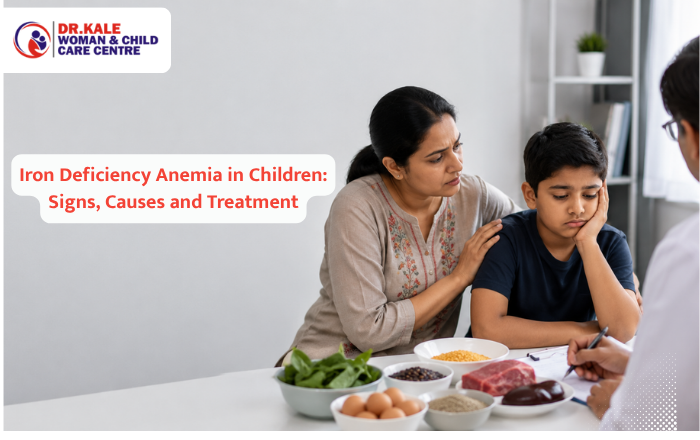
Iron deficiency anemia is one of the most common nutritional problems in children. It occurs when the body does not have enough iron to make adequate hemoglobin, the protein in red blood cells that carries oxygen throughout the body. If left untreated, significant iron deficiency can affect a child’s energy, concentration, growth and overall development.
Parents may not always recognize the early signs because they can be mild or develop gradually. Understanding the symptoms, causes and treatment options can help families seek medical advice at the right time.
What Is Iron Deficiency Anemia in Children?
Iron deficiency anemia in children develops when the body has insufficient iron stores to produce enough hemoglobin and healthy red blood cells.
Iron is particularly important during childhood because children are constantly growing and developing. Their bodies need enough iron to support the production of blood cells and normal brain and physical development.
A child with anemia may appear tired or pale, have reduced appetite or become less active than usual. However, these symptoms can also occur due to other conditions, so anemia should not be diagnosed based on symptoms alone.
A pediatrician may recommend a clinical examination and blood tests to determine whether iron deficiency is responsible.
Signs and Symptoms of Iron Deficiency Anemia in Children
Mild iron deficiency may cause few noticeable symptoms. As anemia becomes more significant, symptoms can become easier to recognize.
Common signs include:
- Pale skin, lips or the inside of the eyelids
- Tiredness or low energy
- Weakness
- Irritability or unusual fussiness
- Reduced appetite
- Difficulty concentrating or paying attention
- Headaches or dizziness
- Shortness of breath during physical activity
- Faster heartbeat in some children
- Slower physical growth in some cases
Some children with iron deficiency may also develop unusual cravings for non-food substances, such as soil, chalk or ice. This is known as pica and should be discussed with a pediatrician.
Symptoms vary from child to child. A child who seems unusually tired, pale or less active than normal may need an evaluation to identify the underlying cause.
What Causes Iron Deficiency Anemia in Children?
The main causes are inadequate iron intake, increased iron requirements during periods of rapid growth and loss of blood.
Not Getting Enough Iron From Food
Children who do not consume enough iron-rich foods may gradually develop iron deficiency. This can happen when the diet is limited or lacks foods such as meat, eggs, beans, lentils and iron-fortified foods.
For young children, dietary habits can change quickly, so regular nutritional assessment can be helpful.
Increased Iron Requirements
Children need more iron during periods of rapid growth. Infants, toddlers and adolescents may therefore be more vulnerable to iron deficiency if their dietary intake does not meet their increased requirements.
Excessive Cow’s Milk Intake
In some young children, drinking large amounts of cow’s milk can contribute to iron deficiency. It can reduce appetite for other iron-containing foods and, in some cases, may contribute to intestinal blood loss.
Parents should discuss appropriate milk intake and nutrition with their child’s pediatrician.
Blood Loss
Chronic blood loss can reduce the body’s iron stores. In older children and adolescents, heavy menstrual bleeding can be an important cause of iron deficiency.
Other sources of blood loss or medical conditions affecting the digestive system can also contribute and may require evaluation.
Problems Absorbing Iron
Certain gastrointestinal conditions can interfere with the absorption of nutrients, including iron. If a child has persistent iron deficiency despite an adequate diet or treatment, a doctor may investigate whether an absorption problem or another underlying condition is present.
How Is Iron Deficiency Anemia Diagnosed?
A pediatrician generally considers the child’s symptoms, diet, growth, medical history and physical examination before deciding whether blood tests are needed.
A complete blood count (CBC) can help identify anemia. Additional tests, such as serum ferritin and other iron studies, may be used to assess the body’s iron stores and help determine the cause.
Because anemia can have several causes, low hemoglobin does not automatically mean that a child has iron deficiency. Medical evaluation helps distinguish iron deficiency from other types of anemia.
When Should You Consult a Doctor?
Parents should consider consulting a pediatrician if a child has persistent tiredness, unusual paleness, poor appetite, reduced activity, problems with concentration or other symptoms that are concerning.
Medical assessment is particularly important if:
- Symptoms continue or become worse
- The child has poor growth or weight gain
- There is a very restricted diet
- The child has unusual cravings for non-food substances
- There is possible blood loss
- An adolescent has very heavy menstrual bleeding
- Previously diagnosed anemia does not improve as expected
Severe weakness, difficulty breathing, fainting, marked dizziness or other concerning symptoms require prompt medical attention.
Treatment of Iron Deficiency Anemia in Children
Treatment depends on the severity of the anemia, the child’s age, dietary intake and the reason for the iron deficiency.
Improving Dietary Iron Intake
For children with inadequate dietary iron, improving nutrition is an important part of management.
Iron-rich foods can include:
- Lean meat and poultry
- Eggs
- Fish
- Lentils and beans
- Dark green leafy vegetables
- Iron-fortified cereals and grains
- Nuts and seeds, where age appropriate and safe
Vitamin C-containing foods can help improve absorption of iron from plant-based foods. Fruits such as oranges, guava and strawberries, as well as vegetables such as tomatoes and capsicum, can be included as part of a balanced diet.
Iron Supplements
When dietary changes are not enough or a child has confirmed iron deficiency anemia, a pediatrician may recommend an iron supplement.
The type, amount and duration of supplementation depend on the child’s age, weight, laboratory results and medical condition. Parents should not start or adjust iron supplements without medical guidance, particularly because excessive iron can be harmful to children.
Treatment may also involve addressing the underlying cause. For example, a doctor may investigate nutritional problems, blood loss or conditions affecting iron absorption when appropriate.
Follow-up blood tests may be recommended to determine whether treatment is working and whether iron stores have recovered.
Can Iron Deficiency Anemia Be Prevented?
Some cases of childhood iron deficiency can be reduced through appropriate nutrition and regular health monitoring.
Parents can help by:
- Offering a varied diet containing iron-rich foods
- Including suitable sources of vitamin C with meals
- Following age-appropriate feeding recommendations for infants and young children
- Avoiding excessive cow’s milk intake in toddlers
- Discussing concerns about restrictive diets with a pediatrician
- Keeping routine pediatric check-ups and growth assessments
Children with specific risk factors may need additional nutritional assessment or screening based on their doctor’s advice.
Frequently Asked Questions
1. Is iron deficiency anemia common in children?
Yes. Iron deficiency is a common nutritional problem in childhood, particularly during periods of rapid growth. Diet, feeding patterns and certain medical conditions can increase the risk.
2. What are the first signs of iron deficiency in children?
Early signs may include tiredness, irritability, reduced appetite, paleness and reduced activity. Mild iron deficiency may have no obvious symptoms, which is why medical evaluation can be important when risk factors are present.
3. Can a child’s diet correct iron deficiency anemia?
Dietary improvement can help when inadequate iron intake is contributing to deficiency. However, children with confirmed anemia may need iron supplementation under pediatric supervision, depending on the severity and underlying cause.
Have questions? We’re just a message away! Contact us on WhatsApp — Click Here to Chat with Us
Concerned About Anemia in Your Child? Talk to a Pediatrician
Iron deficiency anemia in children can develop because of inadequate dietary iron, increased nutritional needs, blood loss or problems absorbing iron. Signs such as tiredness, pale skin, poor appetite and reduced activity should not be ignored, particularly when they persist.
The right treatment depends on the cause and severity of the deficiency. A pediatrician can assess the child’s symptoms, diet, growth and blood test results and recommend appropriate management.
If you are concerned about possible iron deficiency, anemia or nutritional problems in your child, consulting a pediatrician can help identify the underlying cause and determine the appropriate next steps. Dr. Mandar Kale, Pediatrician, provides pediatric consultation at Dr. Kale Women and Child Care Clinic in Moshi, Pune.